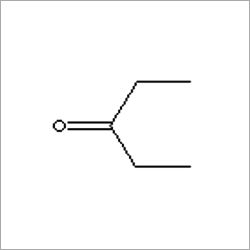
About Diethyl Ketone
We are reckoned as an eminent manufacturer and supplier of Diethyl Ketone. The offered chemical is utilized as solvent and pharmaceutical intermediate. This chemical should not be stored and used near flame and hot surfaces due to its flammable nature. The Diethyl Ketone is utilized as a solvent in paint products. The necessary details of our chemical include
Versatility and ApplicationDiethyl Ketones effectiveness as a solvent and intermediate in organic synthesis makes it highly versatile. Its use extends to pharmaceuticals, perfumes, and a variety of chemical synthesis processes. Thanks to its compatible solvent properties, it facilitates the production of complex compounds in industrial settings, contributing to efficient workflows and reliable results.
Storage and Safety ConsiderationsProper storage is crucial for Diethyl Ketone due to its flammability (Hazard Class 3) and volatility. It should be kept in a cool, dry, and well-ventilated location, away from heat, sparks, and oxidizing agents. When handled correctly, following recommended safety practices, the product maintains stability and efficacy throughout its 12-month shelf life.
Regulatory and Environmental ComplianceThis chemical complies with both REACH and TSCA requirements, ensuring it meets international safety and quality standards. While not regulated for ground transport in small packages, users must be cautious of environmental hazards, strictly preventing its release into water sources to minimize ecological impact.
FAQs of Diethyl Ketone:
Q: How should Diethyl Ketone be safely stored and handled?
A: Store Diethyl Ketone in a cool, dry, and well-ventilated area, away from heat sources, sparks, and incompatible substances like strong oxidizers and acids. Use appropriate personal protective equipment when handling, and ensure containers are tightly sealed to prevent evaporation and exposure.
Q: What are the main industrial applications of Diethyl Ketone?
A: Diethyl Ketone is primarily used as a solvent and as an intermediate in organic synthesis within pharmaceuticals, perfumes, and other specialty chemical industries. Its solvent properties make it suitable for dissolving various organic compounds during production.
Q: When is Diethyl Ketone considered hazardous during use or transport?
A: Diethyl Ketone is classified as a flammable liquid (Hazard Class 3) with a flash point of 16C. It poses significant fire risks near ignition sources. While small package ground transport is not regulated, larger quantities or different transport modes may require strict compliance with UN Number 1155 and Packing Group II guidelines.
Q: Where should Diethyl Ketone be used or processed to ensure safety?
A: It should be handled in well-ventilated environments, such as chemical laboratories or industrial facilities with adequate safety measures. Usage in enclosed or poorly ventilated spaces should be avoided to minimize inhalation risks and flammability hazards.
Q: What processes benefit from using Diethyl Ketone as a solvent?
A: Diethyl Ketones volatile and miscible nature enhances extraction, purification, and synthesis steps in chemical manufacturing. It efficiently dissolves organic compounds, supporting smooth chemical reactions and improving overall process yields.
Q: Can Diethyl Ketone be beneficial in pharmaceutical and fragrance production?
A: Yes, its high purity and pleasant odor make it valuable for formulating active ingredients in pharmaceuticals and blending aromatic compounds in perfumes. Its compatibility with many solvents also broadens its utility in these sectors.
Q: How should accidental environmental exposure of Diethyl Ketone be managed?
A: In case of accidental release, prevent the substance from entering water sources or soil. Use absorbent materials for containment, and dispose of waste in accordance with local environmental regulations to reduce ecological impact.






 Send Inquiry


 Send Inquiry


